Read the passage
Mark 10:46–52
Read the passage within its full chapter, not as an isolated line.
Read the chapter · World English BibleMark identifies Bartimaeus by name and by his situation as a blind beggar. Hearing that Jesus is passing, he calls him Son of David and asks for mercy. Many people rebuke him, but he continues. Jesus stops and asks that he be called. The same crowd now encourages him to approach. Bartimaeus throws aside his cloak and comes forward. Jesus asks what he wants, allowing him to name his own need instead of letting the crowd define it. Earlier in the chapter, Jesus has asked James and John a similar question; they seek places of honor, while Bartimaeus asks to see. This contrast connects sight with the larger question of following Jesus. The closing movement matters: he follows on the way, and the next chapter approaches Jerusalem. His request is not merely an interruption in someone else’s journey. He becomes a participant in that journey. The story does not teach that people with visual impairments lack spiritual insight. On the contrary, the named man recognizes and calls to Jesus while the surrounding crowd attempts to obstruct him.
What we know — and what remains open
Identification of the place
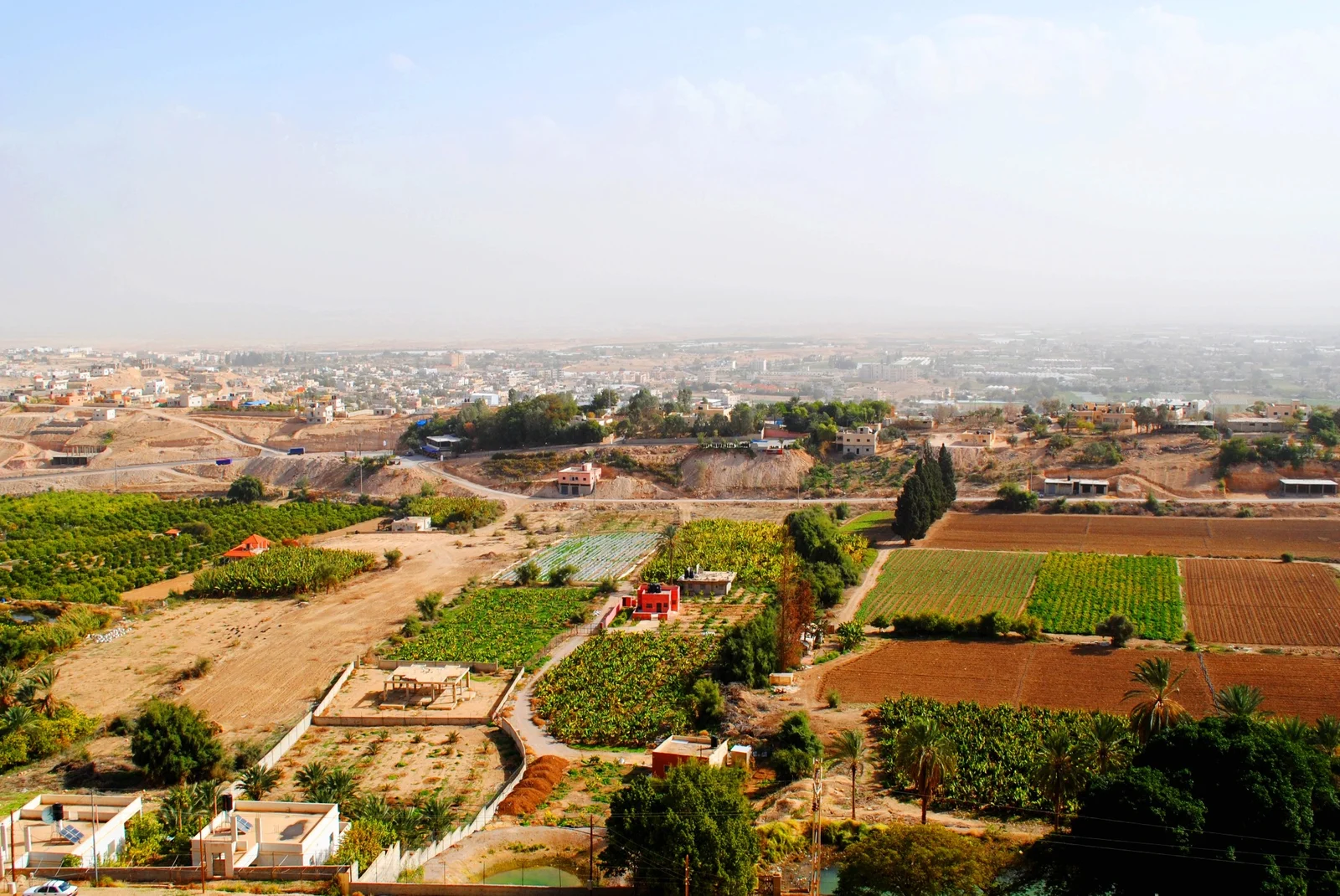
What can be locatedJericho is explicitly named, but the roadside point is not. The modern city and its several archaeological landscapes should not be collapsed into one street corner. This page follows Mark’s departure setting without claiming to resolve every geographical difference among Gospel accounts.
Connection to the event
How the place is rememberedPilgrimage itineraries naturally connect Bartimaeus with Zacchaeus and other Jericho passages. Their shared city setting does not mean that a tree, roadside shrine, or modern plaza marks every encounter. Each association should be explained on its own terms.
What this does not establish
No surviving cloak, road position, or named personal residence identifies Bartimaeus archaeologically. Do not use blindness as a casual insult for ignorance when discussing the story. The narrative honors a person whose own voice and request deserve to remain central.
Questions to explore
- Begin with the city’s broader geography and the ascent toward Jerusalem. The transition helps explain why this healing closes a section about discipleship and the coming journey.
- Read the crowd’s two messages aloud, then Jesus’ question. Notice how a group can change direction once it is no longer allowed to speak over someone.
Plan with the place in mind
- Use local visitor information to plan a Jericho stop and current onward transport. Do not follow an assumed ancient roadside route into traffic or private property.
- Build in shade and a seated reading place. Jericho’s lowland setting makes an unhurried visit more useful than trying to cover every associated stop on foot.
- For a visitor with visual impairment, ask what description or assistance they prefer. Offer information about surfaces and route changes without taking control of their movement.
Opening hours and prices are not live. Before traveling, confirm access, services and local conditions with the site operator and relevant authorities.
No precise location
Jericho is named; no exact roadside healing point is known.
Take something with you
In your next conversation with someone needing help, ask what they want before offering a solution. Listen to the answer without allowing a louder companion to replace the person’s own voice.
Continue in prayer · For ThisSources & further reading
Sources explain the passage, the tradition or the present site; they do not all support the same kind of claim.
Guide prepared: November 12, 2026. AI-assisted synthesis; no independent academic review. Our editorial approach