Read the passage
Genesis 11:31–12:9
Read the passage within its full chapter, not as an isolated line.
Read the chapter · World English BibleStart with Terah’s departure in Genesis 11 rather than beginning only with the famous call in chapter 12. The family sets out toward Canaan but settles in Haran. Abram’s subsequent departure brings Sarai, Lot, possessions, and other members of the household into the story; this is not a solitary spiritual adventure. In Canaan the narrative names Shechem and the area between Bethel and Ai before the movement southward. The blessing is directed outward toward other families. Read beyond verse 9 as well: famine and Abram’s fearful conduct in Egypt complicate any picture of instant perfection. A calling does not make every later decision admirable.
What we know — and what remains open
Identification of the place
Cities documented; route unverifiedThe archaeological city of Ur is included in UNESCO’s southern Iraqi Ahwar property. Harran is separately documented by Türkiye’s official museum service. These sources establish substantial places with their own long histories. Identifying an ancient city is a different task from showing that a named biblical person lived in a particular excavated room. A display labeled Abraham’s house needs its own evidence, not simply the authority of the site surrounding it.
Connection to the event
Patriarchal associationsThe familiar association of the southern Mesopotamian Ur with Ur of the Chaldeans has shaped many pilgrim itineraries. Harran likewise links regional memory with the patriarchal journey. Treat these associations as an invitation to compare text and geography; do not turn a devotional itinerary into a recovered road map. The story preserves named stops while leaving many stages of travel undescribed.
What this does not establish
No continuous Abraham walking route is established by the sources cited here. Modern borders, transportation, and permissions must be planned independently. Later architecture at either destination cannot be presented as scenery that Abram necessarily saw. Distinguish the age of each monument from the literary setting of the biblical story.
Questions to explore
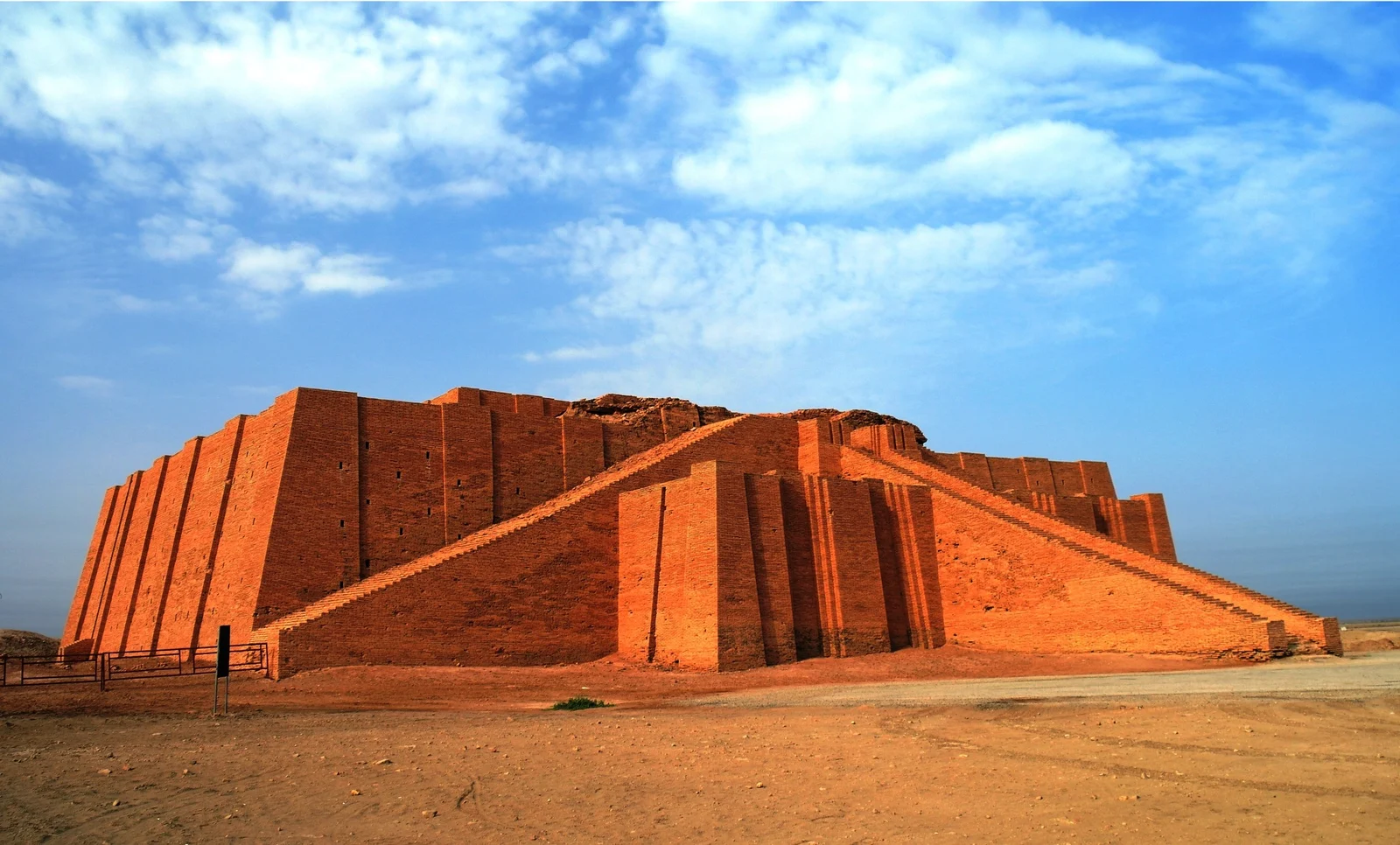
- At Ur, ask for a chronological explanation of the ziggurat and surrounding archaeological remains rather than searching only for a patriarchal label.
- At Harran, compare the archaeological interpretation with the living settlement; buildings from different centuries should not be blended into one biblical scene.
Plan with the place in mind
- Plan the Iraqi and Turkish components separately with qualified local operators. A spiritual connection between them does not guarantee a practical cross-border itinerary.
- Before traveling, build a simple reading map listing only the stops explicitly named in Genesis. Mark proposed locations and modern transfers in a different color.
Opening hours and prices are not live. Before traveling, confirm access, services and local conditions with the site operator and relevant authorities.
No precise location
This story spans separate countries and several proposed stops, so a single location pin would misrepresent the journey.
Take something with you
Who else bears the consequences of a new beginning you are considering? A generous reading of Abraham’s journey asks not only what you are leaving, but how your next step might become a blessing beyond yourself.
Continue in prayer · For ThisSources & further reading
Sources explain the passage, the tradition or the present site; they do not all support the same kind of claim.
- Genesis 11:31–12:9 · full biblical text
- UNESCO · Ahwar and southern Mesopotamian cities
- Turkish Museums · Harran archaeological site
Guide prepared: November 12, 2026. AI-assisted synthesis; no independent academic review. Our editorial approach