Read the passage
Acts 10:1–48
Read the passage within its full chapter, not as an isolated line.
Read the chapter · World English BibleTwo preparations unfold in parallel. Cornelius receives an instruction to send for Peter, while Peter experiences a vision in Joppa that he does not immediately understand. Cornelius summons relatives and close friends, so the visit concerns a household and wider circle rather than only a private conversion. When the host bows before Peter, the apostle raises him and refuses to be treated as more than human. Both men then tell what brought them to this meeting. Peter’s speech moves through Jesus’ ministry, death, resurrection, and witness. Before he finishes, the Spirit is described as coming upon the listeners, surprising the believers who accompanied him. Baptism follows the recognition of a gift already received. Ask who is actually learning in this scene: the listening household, the visiting witnesses, or Peter himself. The story challenges religious gatekeeping without portraying Cornelius’s military rank or financial generosity as a way to purchase divine favor.
What we know — and what remains open
Identification of the place
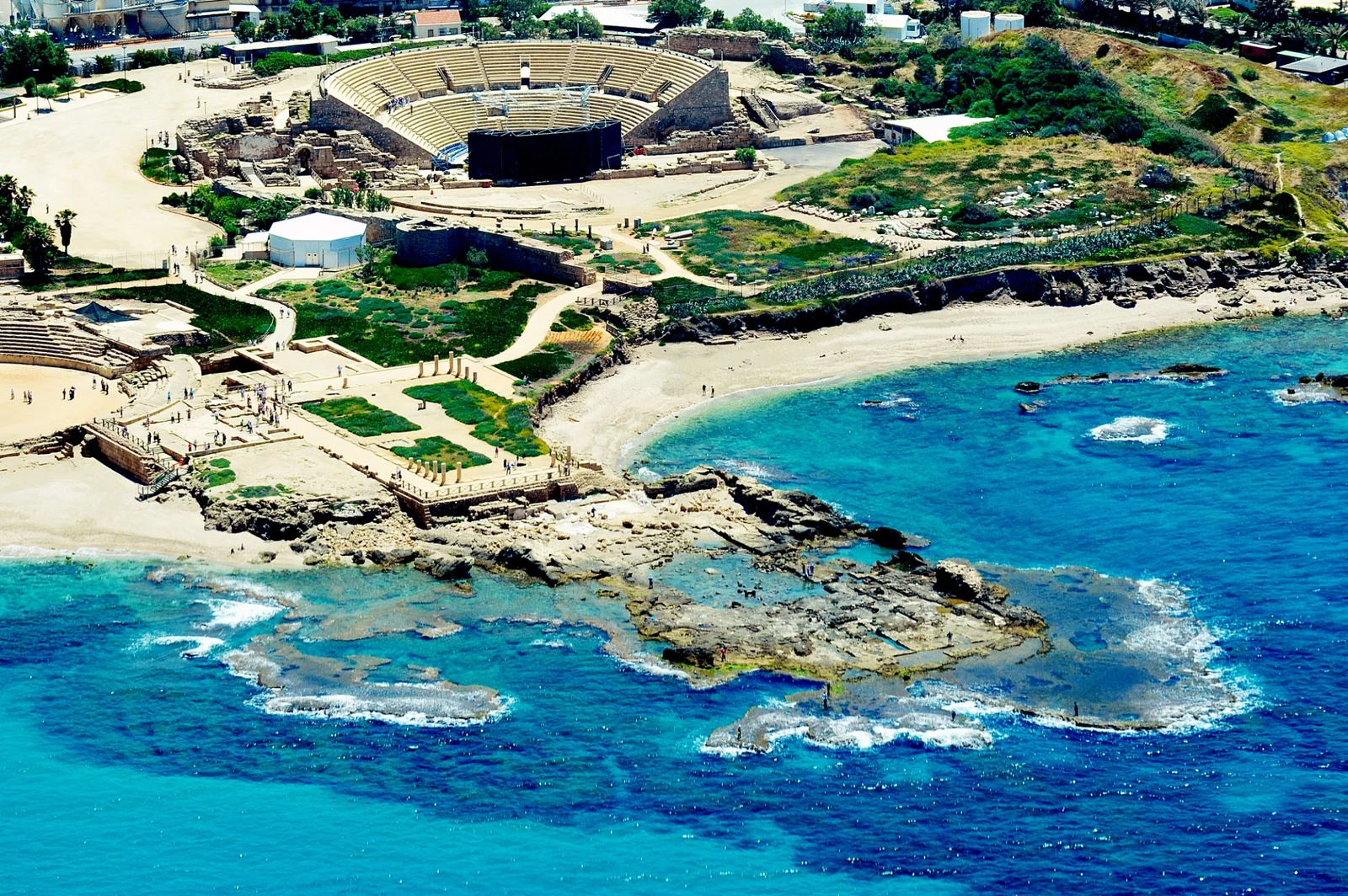
City archaeologically established; house unknownCaesarea Maritima is a well-established archaeological city on the Mediterranean coast. The national park preserves major remains associated with its harbor, public entertainment, and government. Those remains illuminate the environment of Roman administration; they do not identify the centurion’s domestic meeting room.
Connection to the event
City context, not an identified householdPilgrims naturally connect Cornelius with the city’s most impressive buildings, but the palace, theater, and harbor have different functions. A disciplined itinerary distinguishes the named city from an imagined private house. The strength of the site is its urban context, not a claim that every important biblical meeting occurred in the palace.
What this does not establish
Roman architecture establishes a setting, not the occurrence of a vision or the descent of the Spirit. Peter’s description of crossing a social boundary should not become a caricature of all Jewish relationships with non-Jews. The chapter presents specific people negotiating a surprising encounter and explaining what they believe God has done.
Questions to explore
- Use the theater and government-related remains to consider the scale and public character of the Roman city, then contrast that with Acts’ intimate household gathering.
- At the harbor area, trace the coastal relationship with Jaffa on a map; messengers and companions, not only apostles, make this story move.
Plan with the place in mind
- Check the park’s entrances and current route information; the archaeological area is extensive and not every feature lies beside the same gate.
- Choose shade and rest stops for reading, and ask about accessible routes across the site. Do not plan the visit around an advertised house of Cornelius without evidence.
Opening hours and prices are not live. Before traveling, confirm access, services and local conditions with the site operator and relevant authorities.
No precise location
No exact event location is established; the named visitor site is a contextual or traditional landmark, not a verified event pin.
Take something with you
Before entering a conversation as the person with answers, ask what the other household has already experienced. Write one thing you learned from someone you expected only to teach. Mutual testimony changes the shape of hospitality.
Continue in prayer · For ThisSources & further reading
Sources explain the passage, the tradition or the present site; they do not all support the same kind of claim.
Guide prepared: November 12, 2026. AI-assisted synthesis; no independent academic review. Our editorial approach