Read the passage
Daniel 6
Read the passage within its full chapter, not as an isolated line.
Read the chapter · World English BibleThe chapter presents Daniel serving under Darius, not Nebuchadnezzar. Rival officials persuade the king to restrict petitions for thirty days, knowing that Daniel continues to pray toward Jerusalem. Daniel does not invent a new public stunt after the decree; the narrator emphasizes his existing habit. When the charge is brought, the king recognizes the problem and tries unsuccessfully to rescue him within the legal structure he has accepted. A sealed stone closes the den, while the ruler spends an anxious night. The morning discovery of Daniel alive is followed by royal recognition of his God. The violent punishment of the accusers and their families is also in the chapter and should not be presented as a model for Christian revenge. Read the entire sequence as a difficult court narrative, not merely a reassuring picture of tame lions. It asks what happens when institutions preserve the appearance of legality while abandoning justice, and whether personal loyalty to a favored ruler is enough protection against a system that ruler has helped create.
What we know — and what remains open
Identification of the place
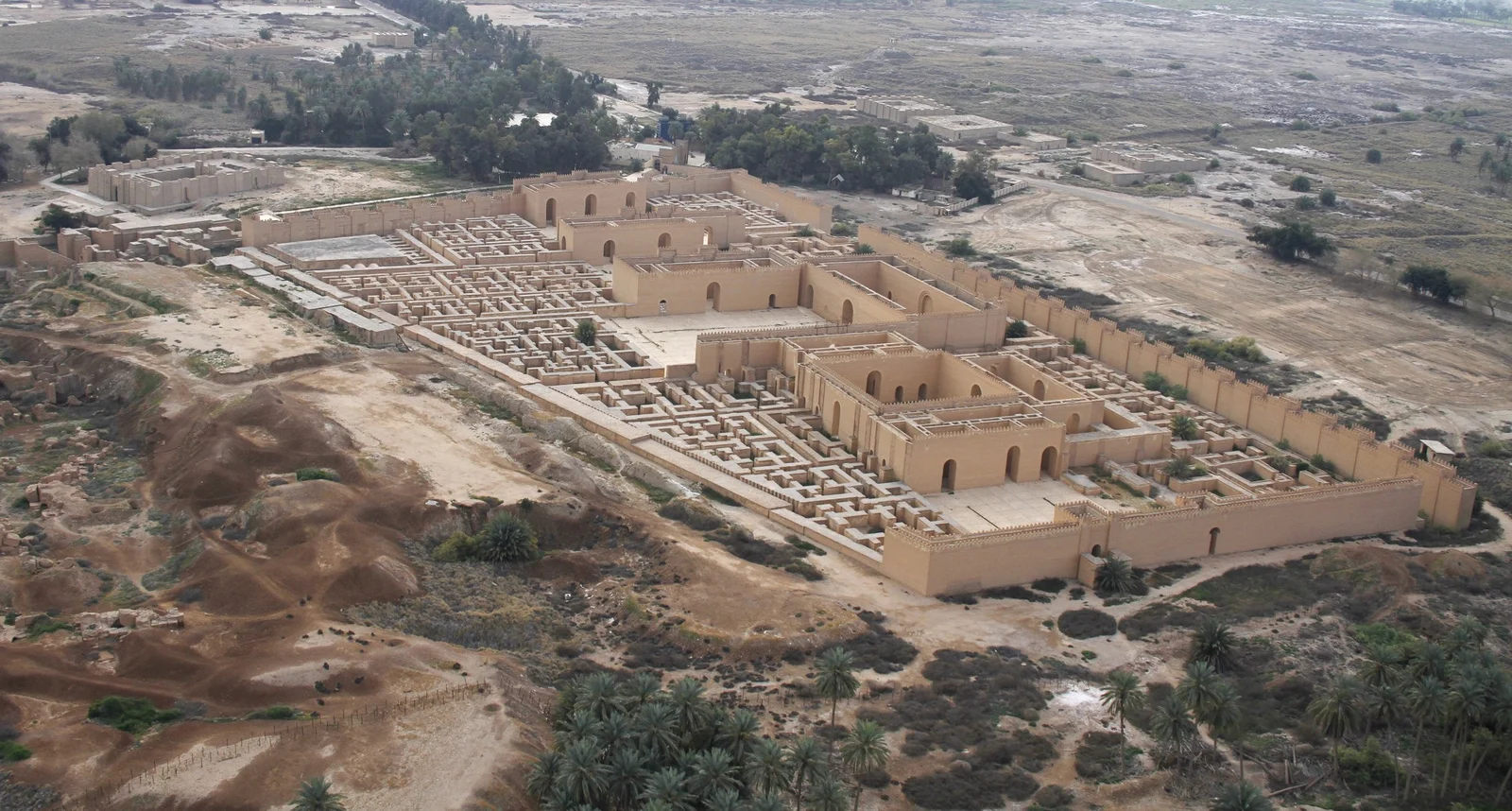
Imperial context; event location unknownUNESCO’s Babylon property preserves the archaeological remains of a major ancient city, including urban and monumental evidence of the Neo-Babylonian period. Daniel 6 does not give an identifiable street address or name a recoverable den. Babylon is included here as imperial historical context, not as the proven scene of this chapter.
Connection to the event
Interpretation and commemorationReaders commonly connect Daniel with Babylon because of the broader book’s setting and exile narratives. That broad association is meaningful, but it cannot settle the precise location or historical reconstruction of every episode. A responsible pilgrimage page allows the distinction to remain visible.
What this does not establish
No feature at the archaeological site should be labeled Daniel’s den on the authority of this page. Questions surrounding the identity of Darius and the narrative’s historical setting remain matters of scholarly discussion. Archaeology can illuminate imperial environments without proving miraculous deliverance or resolving every chronological issue.
Questions to explore
- Use the UNESCO description and reputable site interpretation to understand Babylon as a layered city rather than a stage set for a single biblical character.
- When viewing remains or museum material, ask what is ancient, what has been reconstructed, and which period is represented.
Plan with the place in mind
- Treat travel to Babylon in Iraq as a separately planned specialist visit. Consult current government travel guidance and an established local operator before considering an itinerary.
- Confirm official access, transport, permissions, and visitor support in advance. Reading the chapter with a site map or museum collection is a valid alternative when travel is unsuitable.
Opening hours and prices are not live. Before traveling, confirm access, services and local conditions with the site operator and relevant authorities.
No precise location
No den is securely located. Babylon is contextual, and this page intentionally supplies no event pin.
Take something with you
Think of a rule that is technically followed but unfairly applied. What documented, constructive step could you take to protect someone affected, rather than relying only on goodwill from a powerful person?
Continue in prayer · For ThisSources & further reading
Sources explain the passage, the tradition or the present site; they do not all support the same kind of claim.
Guide prepared: November 12, 2026. AI-assisted synthesis; no independent academic review. Our editorial approach