Read the passage
1 Samuel 17
Read the passage within its full chapter, not as an isolated line.
Read the chapter · World English BibleRead the whole chapter before turning Goliath into a symbol for an examination or business obstacle. The narrator places the opposing forces near Socoh and Azekah, across a valley. David is sent to check on his brothers and bring provisions. His questions provoke an angry response from his oldest brother, and Saul initially judges his prospects by youth and military experience. David recalls protecting his father’s flock, then declines equipment he has not tested. The sling belongs to that contrast between borrowed appearances and practiced responsibility. Yet the story is not a universal promise that confidence defeats every stronger opponent. It is a violent battle narrative in which David interprets the conflict in relation to Israel’s God and the threatened community. The aftermath includes pursuit and death, not merely applause for a personal achievement. A useful question is therefore not simply “What is my giant?” but “Whose vulnerability am I responding to, and what experience actually prepares me to act?”
What we know — and what remains open
Identification of the place
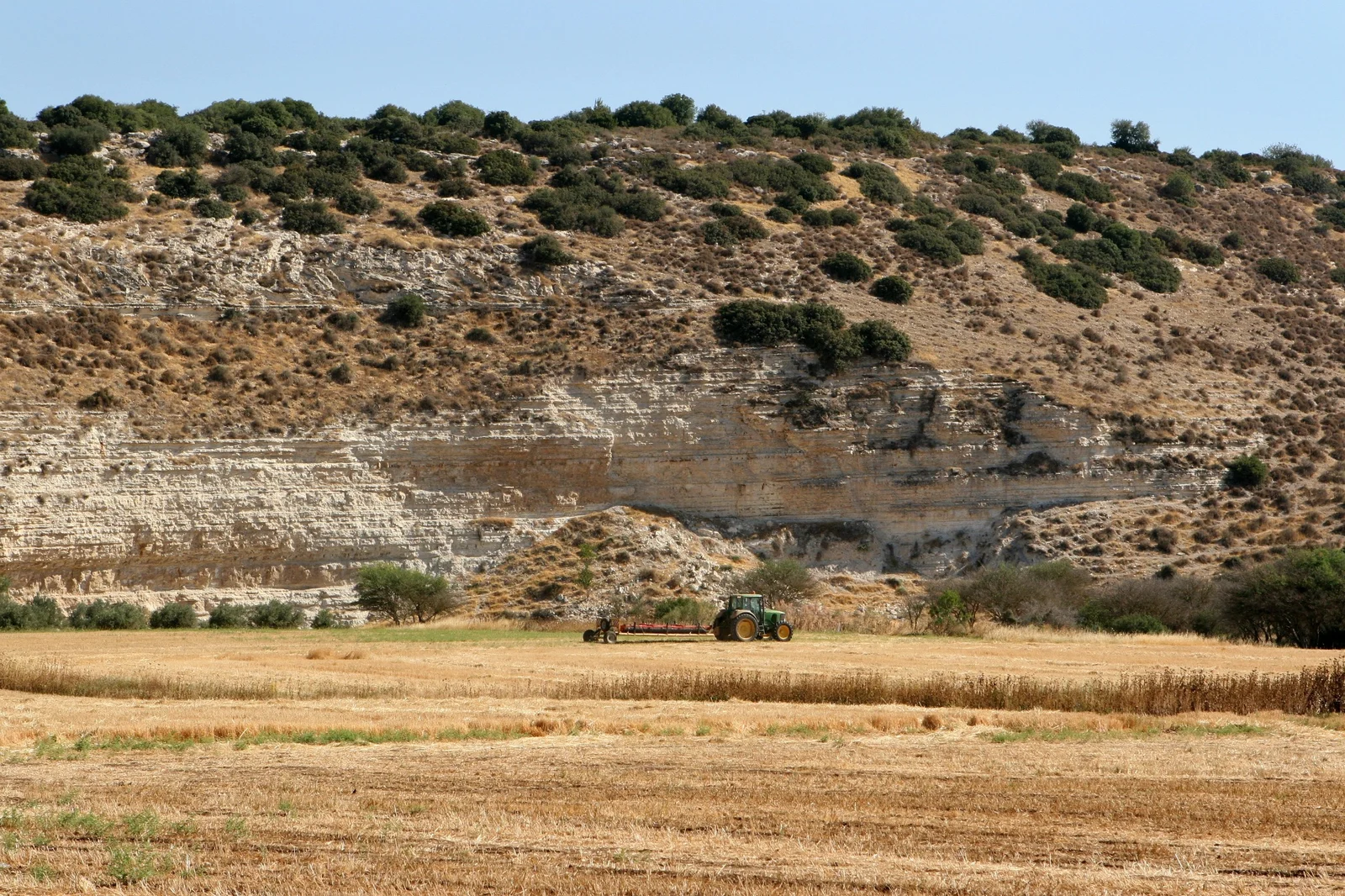
Valley setting; battlefield unlocatedThe valley is a geographic setting, not an excavated battlefield with a marked position for each combatant. Khirbet Qeiyafa overlooks this landscape. An Israel Antiquities Authority excavation report describes substantial buildings and successive occupation phases there, providing archaeological context for a fortified settlement overlooking the valley.
Connection to the event
Interpretation and commemorationPilgrimage retellings often focus on stones, streams, and a dramatic meeting point. Such visual aids may help readers imagine distance, but there is no verified stone belonging to David and no basis for identifying a particular patch of ground as the encounter.
What this does not establish
Debates about Qeiyafa’s chronology and political identity should not be compressed into “David’s fortress proves Goliath.” The excavation report distinguishes ancient phases; the biblical narrative asks a different set of questions. Neither a panoramic photograph nor a ruined wall demonstrates the duel.
Questions to explore
- Look across the valley from an authorized viewpoint and consider how opposing slopes shape sightlines and vulnerability.
- At Qeiyafa, use excavation interpretation to separate buildings and periods instead of assigning every visible stone to one king.
Plan with the place in mind
- Plan the valley and archaeological stop as a landscape visit; confirm legal access, parking, and walking conditions with a current local guide or operator.
- Bring water and sun protection, remain on permitted paths, and leave stones and artifacts where they are. Do not enter cultivated fields to recreate the combat.
Opening hours and prices are not live. Before traveling, confirm access, services and local conditions with the site operator and relevant authorities.
No precise location
This page concerns the Elah Valley landscape, not a verified point of combat.
Take something with you
Name one skill learned through ordinary responsibility. How could it serve someone facing intimidation today, without turning courage into recklessness or another person into an enemy to defeat?
Continue in prayer · For ThisSources & further reading
Sources explain the passage, the tradition or the present site; they do not all support the same kind of claim.
Guide prepared: November 12, 2026. AI-assisted synthesis; no independent academic review. Our editorial approach