Read the passage
Judges 7:1–25
Read the passage within its full chapter, not as an isolated line.
Read the chapter · World English BibleJudges 7 explains the reduction of Gideon’s force as a way to prevent a claim that victory came entirely through Israel’s own strength. First the fearful depart; then the water episode reduces the group further. Yet Gideon himself is still allowed reassurance: he takes Purah into the opposing camp and hears a dream interpreted. The nighttime action uses trumpets, jars, and lamps to create alarm. Notice that fear does not simply divide worthy heroes from worthless people. The leader also needs help. The chapter’s military violence must remain visible, and the narrative is not a recipe for modern combat or an assurance that an under-resourced plan will succeed.
What we know — and what remains open
Identification of the place
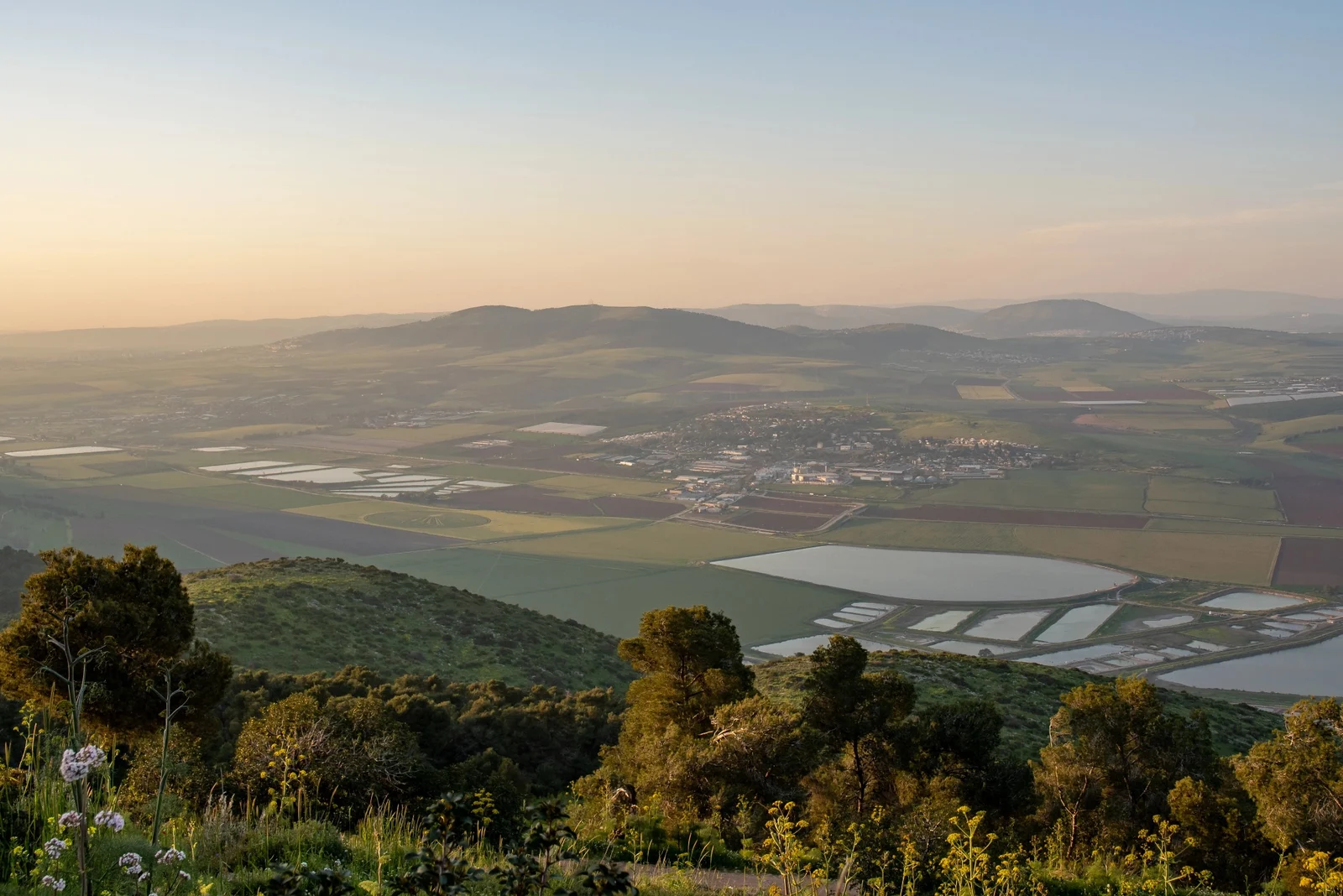
Modern spring and park identifiedIsrael’s Nature and Parks Authority describes Maayan Harod as a spring emerging from a cave at the foot of Gilboa, within a managed recreation landscape. This identifies the modern park and its physical setting. The association with the spring in Judges is a traditional geographical identification; the present paths, pools, and visitor facilities are not surviving arrangements from Gideon’s camp.
Connection to the event
Traditional Gideon associationThe location makes the water-selection scene easy to imagine, which is also why interpretation needs care. Popular explanations sometimes praise the three hundred as especially alert soldiers. The chapter itself gives the reason for reducing the force but does not provide a modern psychological assessment of every drinking posture. Let the text’s stated emphasis carry more weight than a memorable demonstration by a guide.
What this does not establish
No object at the spring proves the selection of exactly three hundred people or marks an authenticated position for Gideon. A known spring and a plausible landscape cannot establish the details of a battle. Nor should fear, disability, or limited resources be treated as evidence that someone lacks faith or is excluded from meaningful service.
Questions to explore
- Observe the spring setting and the relationship between water, shelter, and the valley. Keep the ancient narrative separate from the design of the modern recreation area.
- Read the reassurance given to Gideon after the reduction of the army. It complicates a simplified story in which courageous people never need encouragement.
Plan with the place in mind
- Use the official park information to confirm entry arrangements, suitable paths, and facilities before setting out. Do not assume that a recreation area’s water is drinking water.
- Plan a quiet reading stop that does not obstruct families or other visitors. There is no need to reenact the drinking test, enter restricted spring areas, or stage a military performance.
Opening hours and prices are not live. Before traveling, confirm access, services and local conditions with the site operator and relevant authorities.
No precise location
The named park is the visitor context; no exact selection spot or ancient camp coordinate is asserted.
Take something with you
Who helps you act when you are afraid? Name that support without embarrassment. Then choose a modest task you can do with appropriate help; courage need not mean pretending to be self-sufficient.
Continue in prayer · For ThisSources & further reading
Sources explain the passage, the tradition or the present site; they do not all support the same kind of claim.
Guide prepared: November 12, 2026. AI-assisted synthesis; no independent academic review. Our editorial approach