Read the passage
Acts 15:1–35
Read the passage within its full chapter, not as an isolated line.
Read the chapter · World English BibleThe dispute comes to Jerusalem from Antioch. The question of circumcision is not a minor preference; it touches identity, Scripture and the terms of fellowship. Peter recalls God's action among Gentiles, Barnabas and Paul describe their experience, and James interprets the discussion alongside the prophets. The resulting letter is carried by people who can explain it in person. Notice how many forms of attention appear before a decision: listening to disagreement, hearing testimony, consulting inherited texts and considering the burden imposed on others. The narrative is not a claim that every later church disagreement will resolve easily. Nor is it a story of Christianity defeating Judaism: the participants are debating within a movement whose central figures and Scriptures are Jewish. Read the practical requests in the letter within this particular problem of shared community. A useful question is whether a rule genuinely serves fellowship or quietly makes one's own background the admission price.
What we know — and what remains open
Identification of the place
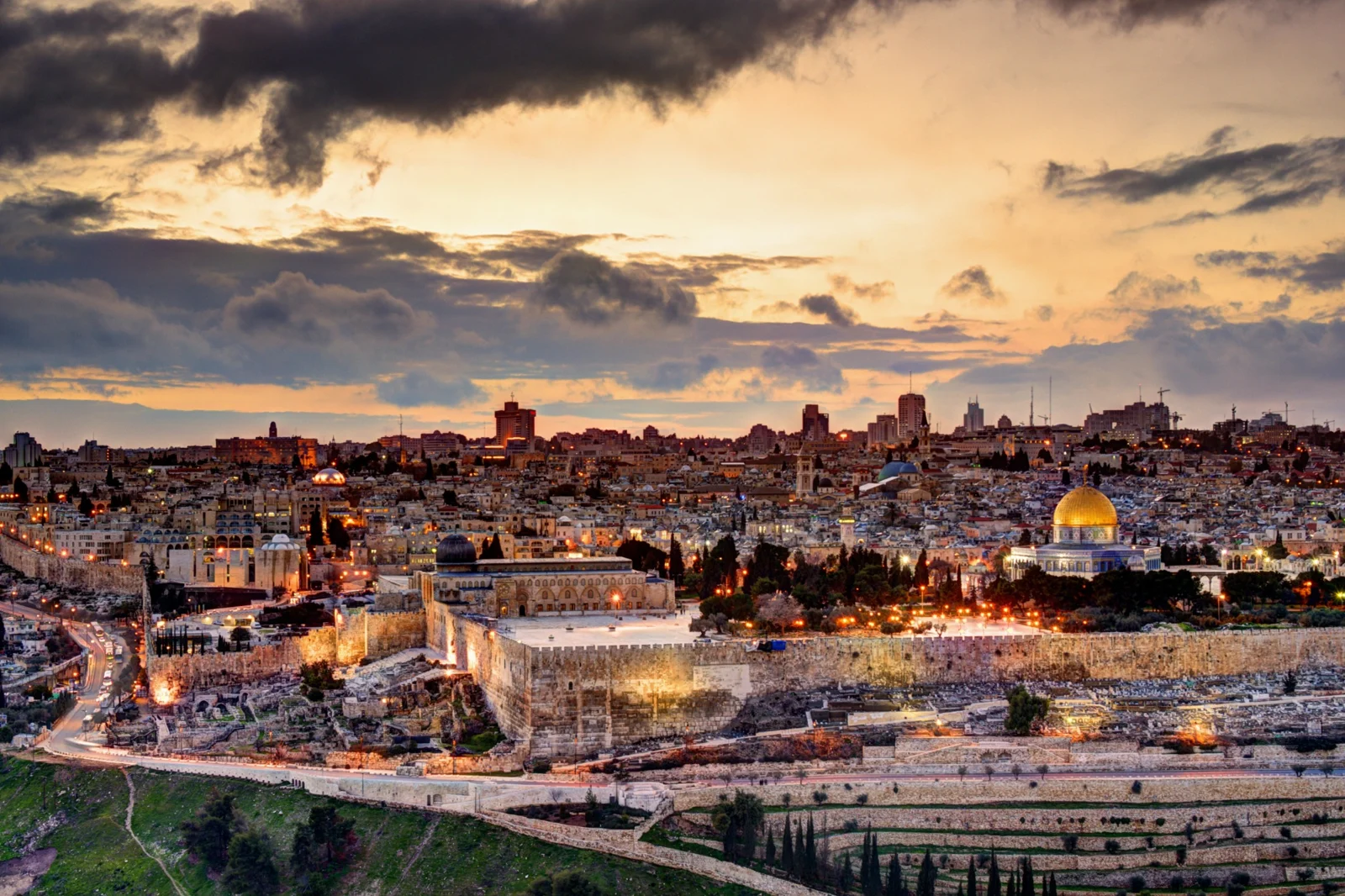
Biblical city; meeting room unknownActs identifies Jerusalem, not a building. Mount Zion and the Cenacle are important places of Christian memory, but the surviving Upper Room belongs to a much later architectural history. The Custody's nearby Saint Francis ad Coenaculum sanctuary helps visitors encounter the living tradition without establishing a council-room identification.
Connection to the event
Mount Zion offers thematic remembranceChristian visits to Mount Zion gather several memories of the early community. Remembering the Council there can be meaningful as a deliberate reading exercise, provided the guide says that the association is thematic. A place of prayer need not be falsely promoted as the exact room to be spiritually worthwhile.
What this does not establish
Neither the Cenacle's appearance nor a devotional plaque proves where Acts 15 occurred. The passage also does not settle every modern denominational debate by itself. Separate the account's decision-making process from claims that a contemporary group possesses identical authority or faces an identical situation.
Questions to explore
- At Mount Zion, distinguish the visible later building from the earlier memories visitors bring to it; read the council passage without assigning seats.
- Compare the spoken debate and the written letter. Ask why the community sends human messengers as well as a document.
Plan with the place in mind
- Plan Mount Zion as an optional setting for reflection, not a certified council venue; confirm local arrangements with the Christian Information Center.
- Allow time for multiple religious communities using the area, and keep group discussion away from active worship and narrow circulation routes.
- Carry the complete chapter so the letter can be read together with the argument that produced it, rather than as isolated regulations.
Opening hours and prices are not live. Before traveling, confirm access, services and local conditions with the site operator and relevant authorities.
No precise location
The council's building is not identified. Mount Zion is discussed as a place of remembrance, not pinned as the meeting room.
Take something with you
Before your next difficult conversation, write down the burden your preferred solution would place on someone else. Then listen to that person's experience before defending the rule.
Continue in prayer · For ThisSources & further reading
Sources explain the passage, the tradition or the present site; they do not all support the same kind of claim.
- Acts 15:1–35 · full biblical text
- Custody of the Holy Land · Mount Zion
- Christian Information Center · Custody shrines
Guide prepared: November 12, 2026. AI-assisted synthesis; no independent academic review. Our editorial approach