Read the passage
Genesis 23:1–20
Read the passage within its full chapter, not as an isolated line.
Read the chapter · World English BibleAbraham mourns Sarah and then describes himself as a resident stranger when he requests a burial possession. The conversation unfolds before witnesses, with repeated offers and refusals before a price is accepted. The chapter specifies the field, cave, and trees rather than moving immediately to a spiritual conclusion. Its concrete language honors the reality of loss: a body needs a resting place, and the living must make arrangements. Read the negotiation without assuming that every courtesy is a simple modern commercial offer. Nor should the purchase be converted directly into a verdict on contemporary political boundaries; the chapter tells a particular family’s burial story.
What we know — and what remains open
Identification of the place
Historic compound identifiedUNESCO identifies Hebron’s sacred compound as the Tomb of the Patriarchs/Ibrahimi Mosque and describes its monumental enclosure as early Roman in origin. The compound is therefore a securely identifiable heritage place. That does not establish the identities of remains beneath it. Visible cenotaphs commemorate the dead; a cenotaph must not be described as an exposed, archaeologically authenticated patriarchal burial.
Connection to the event
Ancestral burial traditionJewish and Muslim devotion give the site enduring importance, and Christians also connect it with the patriarchal stories. The association includes Sarah and other members of the ancestral family, not Abraham alone. A reading focused on Sarah helps recover a name easily overshadowed by the monument’s familiar title. Sacred continuity deserves respect without replacing the distinct question of archaeological demonstration.
What this does not establish
The map points to the heritage compound, not a verified cave chamber accessible to visitors. Different areas have different arrangements, and access may change. The surrounding city is also a living community, not scenery for a biblical photograph. Photography, group prayer, and circulation require attention to local instructions and the people already using the space.
What to notice when you visit
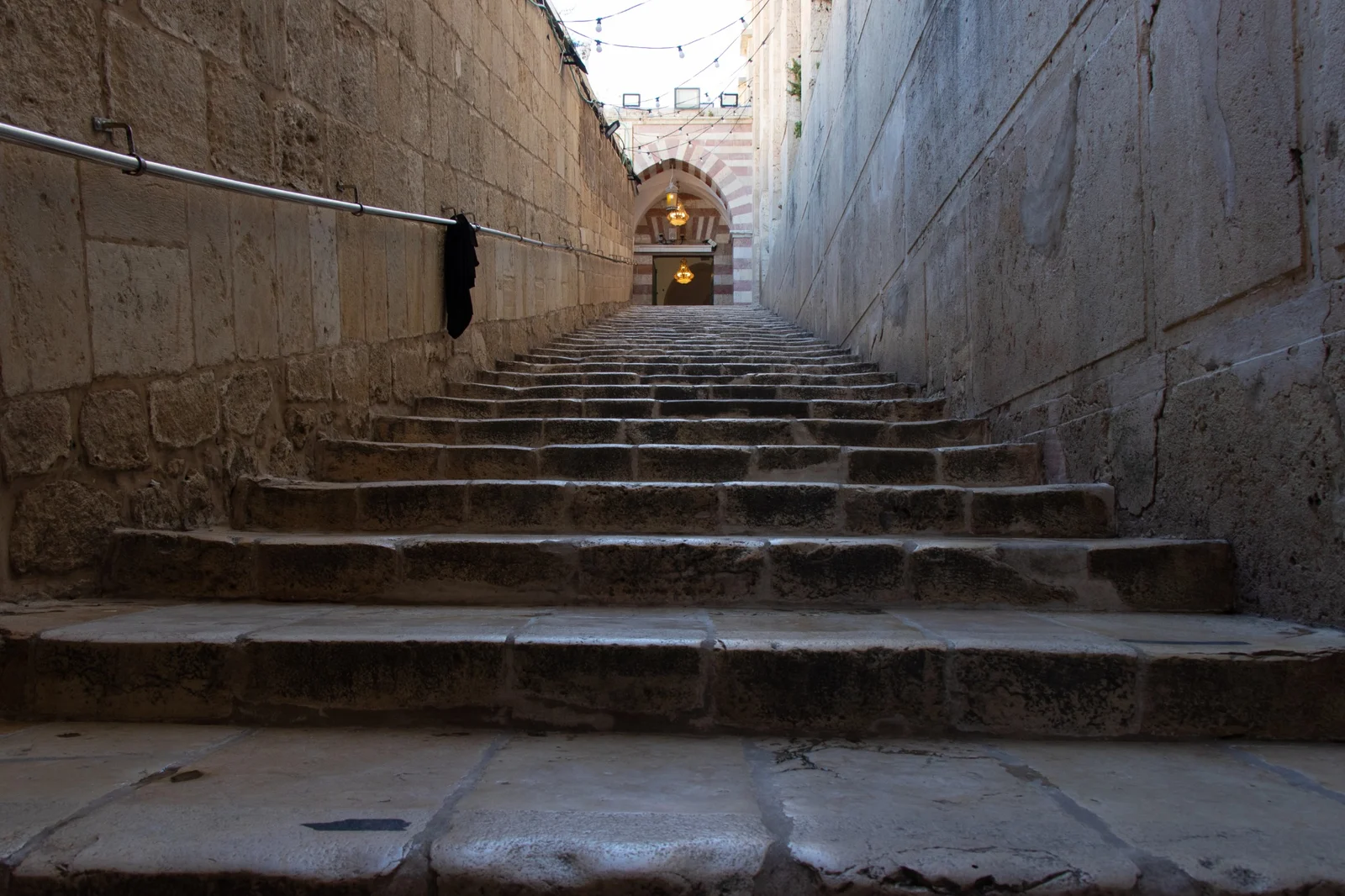
- Compare the scale and masonry of the enclosure with the much more intimate transaction narrated in Genesis. Different periods and kinds of evidence are present at once.
- Look for explanatory distinctions between cenotaph, prayer space, enclosure, and underlying cave tradition. These terms describe different things.
Plan with the place in mind
- Arrange a Hebron visit with a locally informed guide and confirm the exact entrance and area available to your group before travel. Do not assume access to every religious section.
- Leave time to understand the Old City and its residents. If mobility is limited, ask about the entire route, including transport drop-off and any security procedures, not only the monument doorway.
Opening hours and prices are not live. Before traveling, confirm access, services and local conditions with the site operator and relevant authorities.
Approximate UNESCO heritage-property coordinate for the sacred compound; not the location of verified individual remains or a guaranteed visitor entrance. Open map
Take something with you
Is someone grieving near you who needs help with an ordinary task? Offer something specific and manageable. A meal, a phone call, or assistance with an arrangement can accompany sorrow without pretending to resolve it.
Continue in prayer · For ThisSources & further reading
Sources explain the passage, the tradition or the present site; they do not all support the same kind of claim.
Guide prepared: November 12, 2026. AI-assisted synthesis; no independent academic review. Our editorial approach