Read the passage
1 Kings 17:1–7
Read the passage within its full chapter, not as an isolated line.
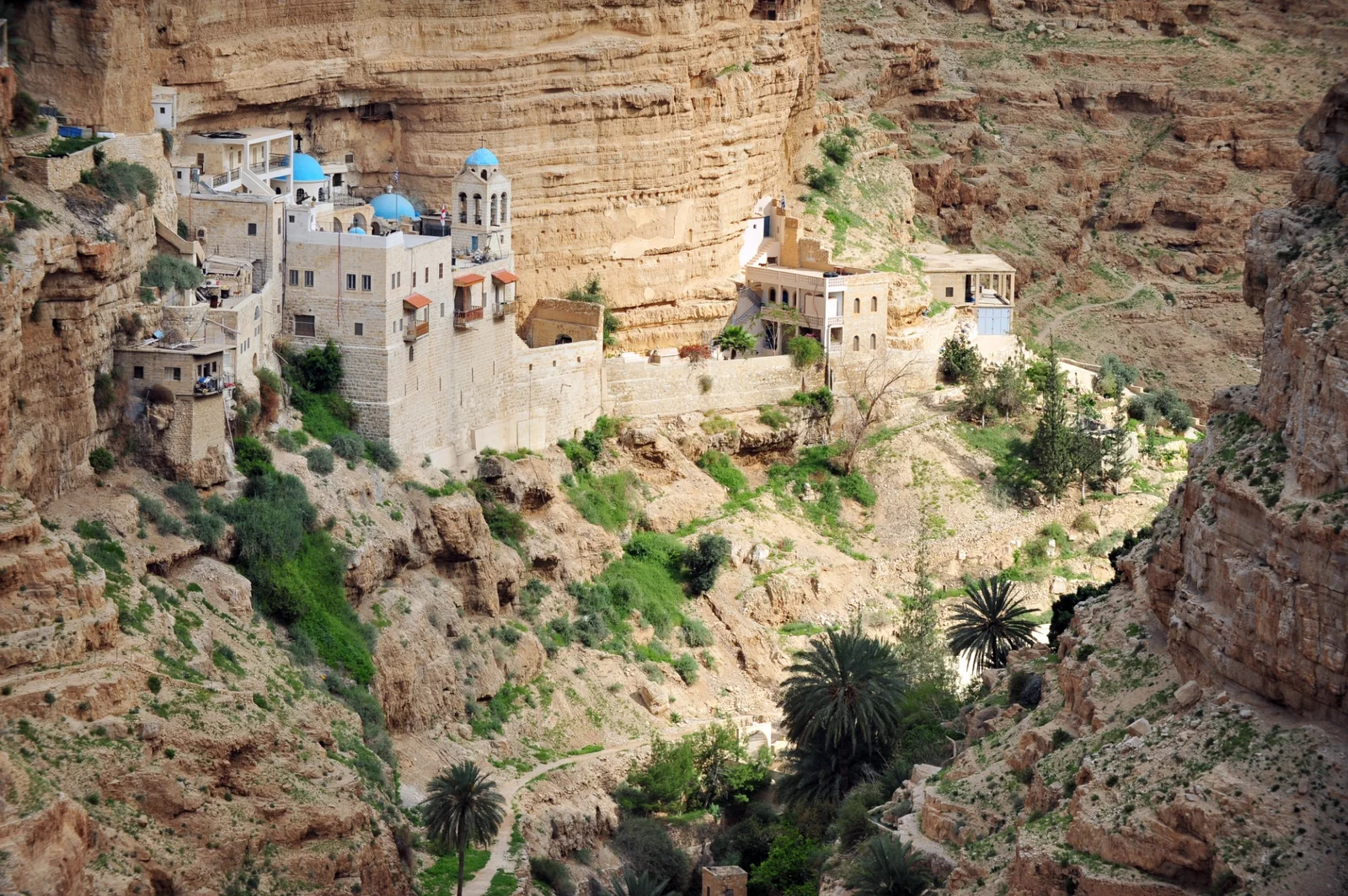
Read the chapter · World English BibleAfter announcing drought to Ahab, Elijah is directed away from the public confrontation to the brook Cherith. The account emphasizes dependence rather than control. He receives food and water in a place of concealment, but the drought eventually affects the brook itself. The next movement of the chapter sends him to a widow in Zarephath, so the story does not end with the successful discovery of a permanently safe hideaway. Read verses 1–7 together with that transition. The prophet is not exempt from the conditions he announces, and help arrives through sources that do not fit an image of royal abundance. A ravine can make the narrative’s practical vulnerability easier to imagine: water, shelter, and movement matter. But imagination should not become a map claim. The interesting question is how a reader distinguishes gratitude for present support from an insistence that support must always arrive through the same channel. The passage describes a particular prophetic story, not a general instruction to abandon planning or expect food to appear without human responsibility.
What we know — and what remains open
Identification of the place
Brook unidentified; association disputedCherith has no securely established modern location. Wadi Qelt, west of the Jordan near Jericho, is sometimes associated with the episode, but translations locating Cherith east of the Jordan create an obvious geographic problem for that identification. This page therefore uses Wadi Qelt only as a comparative landscape.
Connection to the event
Interpretation and commemorationThe monasteries of the Jerusalem wilderness preserve a later history of Christian withdrawal and prayer. Saint George’s monastery in Wadi Qelt belongs to that history. Its cliff setting can illuminate the appeal of a ravine for seclusion without proving where Elijah was fed.
What this does not establish
A monastery’s sacred memory is not a contemporary witness to Elijah. UNESCO’s relevant document is a Tentative List submission for wilderness monasteries, not proof of the biblical event and not a statement that this property is already inscribed as World Heritage. Keep these categories separate.
Questions to explore
- From a permitted viewpoint, observe the relationship between cliff, narrow watercourse, and isolated religious buildings.
- Read the transition from the drying brook to the widow’s household; the change of setting is part of the story, not a failure of it.
Plan with the place in mind
- Check current local access and monastery arrangements before traveling in the West Bank. A viewpoint visit and a canyon hike require different planning.
- Use a qualified local guide for a walking route and confirm weather and flash-flood conditions. Do not follow a dry channel merely because it looks like a biblical path.
Opening hours and prices are not live. Before traveling, confirm access, services and local conditions with the site operator and relevant authorities.
No precise location
No pin: Cherith is unidentified, and Wadi Qelt is a geographically disputed association.
Take something with you
What source of help has changed in your life? Name another person or practical resource you could approach, while giving thanks for the support that carried you this far.
Continue in prayer · For ThisSources & further reading
Sources explain the passage, the tradition or the present site; they do not all support the same kind of claim.
Guide prepared: November 12, 2026. AI-assisted synthesis; no independent academic review. Our editorial approach