Read the passage
Acts 20:7–12
Read the passage within its full chapter, not as an isolated line.
Read the chapter · World English BiblePaul and his companions have stayed in Troas for seven days. Because he plans to leave the next day, the gathering continues late into the night. Acts mentions many lamps and a young man sitting in a window, then describes his deep sleep, fall and apparent finality of the disaster: he is taken up dead. Paul goes down and embraces him. The narrative subsequently states that the young man is brought alive and the community receives consolation. Bread is broken and conversation continues until dawn. Read those details without making fatigue a moral failure. The text does not rebuke Eutychus for insufficient devotion, and his body must not become merely a comic illustration about long sermons. The interruption forces attention from words to a vulnerable person. The distinctive question is whether our gatherings make room for human limits and immediate care, especially when an important speaker or schedule might otherwise dominate attention.
What we know — and what remains open
Identification of the place
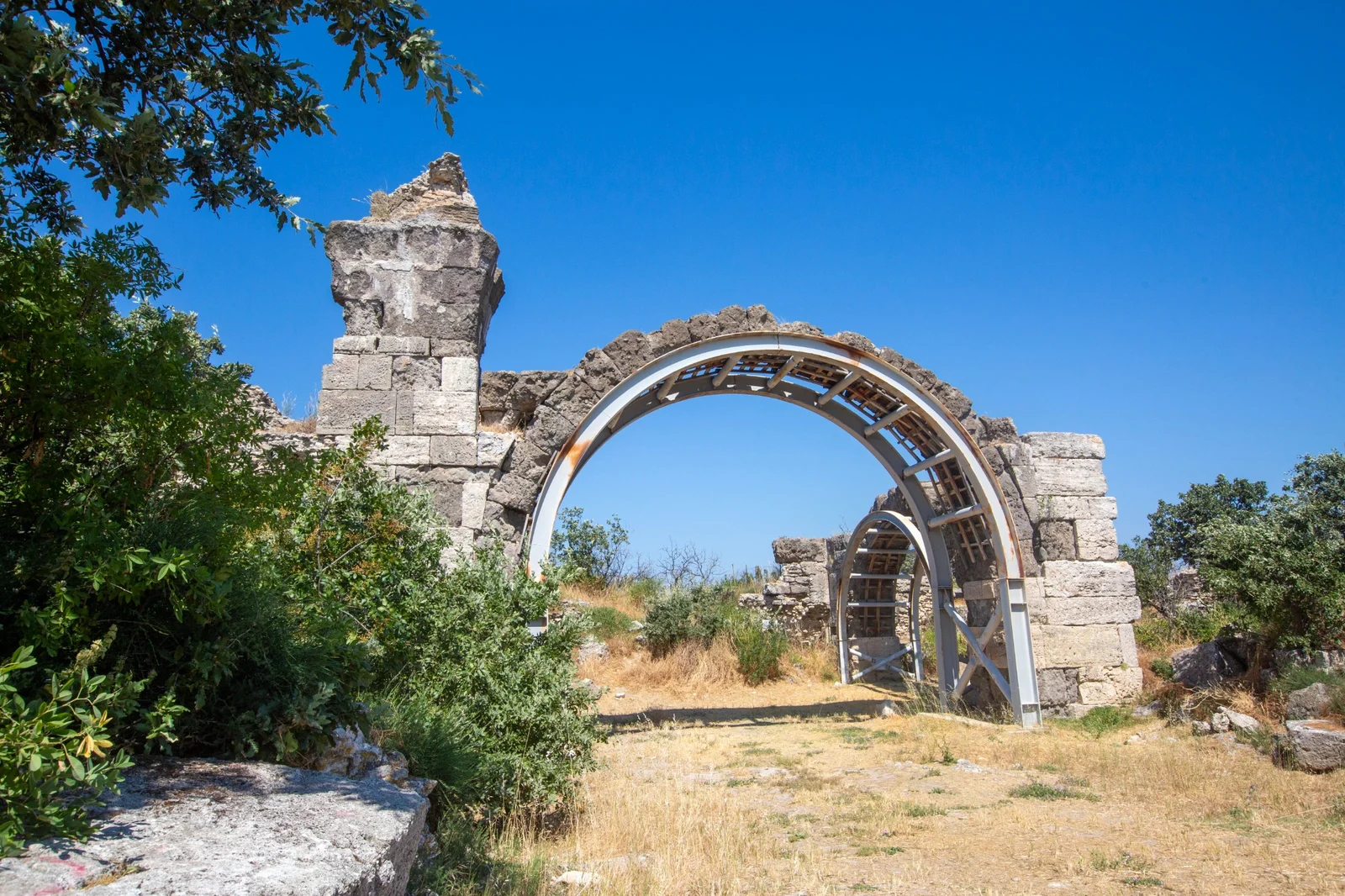
Ancient port city identifiedTurkey's museum authority identifies Alexandria Troas near Dalyan in the Ezine district and describes extensive urban remains, including baths, roads, a theater and harbor features. This is not the Bronze Age site of Troy. The similar regional name can confuse visitors, so establish which ancient city an excursion actually includes.
Connection to the event
Upper room unidentifiedPauline itineraries associate these ruins with the Troas named in Acts. Unlike some destinations, the attraction here is not a firmly established shrine over a claimed biblical room. Its value lies in the harbor city's broader setting and the opportunity to read a small domestic episode within a large ancient landscape.
What this does not establish
No labeled house should be accepted as Eutychus's room without specific excavation evidence. Archaeology cannot establish the reported restoration of life. The passage is not emergency medical guidance and must not encourage unsafe heights, delayed assistance or blaming a tired person for an accident.
Questions to explore
- Look at the surviving streets and public remains to understand a working port city, then contrast that scale with the intimate upper-room gathering.
- Use the official site interpretation to distinguish identified structures from attractive but uncertain names attached to ruins.
Plan with the place in mind
- Confirm authorized access with the museum authority and ask which excavation areas are open; dispersed ruins do not imply unrestricted entry.
- Arrange transport to Alexandria Troas near Dalyan specifically. A booking described only as Troy may take you to a different site.
- Expect rural ground and bring water, sturdy footwear and a downloaded reading. Keep away from unprotected drops and unstable masonry.
Opening hours and prices are not live. Before traveling, confirm access, services and local conditions with the site operator and relevant authorities.
No precise location
Alexandria Troas is the setting; the upper room cannot be mapped from the available evidence.
Take something with you
At your next gathering, notice who may be exhausted, excluded or physically uncomfortable. One thoughtful adjustment can make attention to people more than a theme in the conversation.
Continue in prayer · For ThisSources & further reading
Sources explain the passage, the tradition or the present site; they do not all support the same kind of claim.
- Acts 20:7–12 · full biblical text
- Turkey Museums · Alexandria Troas
- Çanakkale Culture Directorate · Alexandria Troas
Guide prepared: November 12, 2026. AI-assisted synthesis; no independent academic review. Our editorial approach