Read the passage
Acts 27:1–28:10
Read the passage within its full chapter, not as an isolated line.
Read the chapter · World English BiblePaul travels as a prisoner among sailors, soldiers and other passengers. Warnings, changing winds, lost equipment and exhausted bodies make the voyage more than a backdrop for a religious speech. Paul encourages the company to eat, and the account emphasizes their shared survival rather than the rescue of believers alone. The soldiers' proposal to kill prisoners is prevented before the ship breaks apart and everyone reaches land. On Malta, local people respond to cold and rain by making a fire. Their first interpretation of the snake incident changes dramatically when Paul is unharmed, revealing how quickly spectators assign moral meaning to suffering. Publius offers hospitality, his father is healed in the narrative, and other islanders come for help. Read both chapters to keep seamanship, food, protection and welcome in view. The distinctive question is what strangers owe one another before they know anyone's beliefs, status or usefulness.
What we know — and what remains open
Identification of the place
Island identified; landing site debatedMalta is the island named in the received account, while the exact wreck location remains debated. Heritage Malta documents San Pawl Milqi as a Roman villa with productive and residential remains. Its archaeological character supplies local Roman-period context; the agency explicitly distinguishes that evidence from the tradition connecting the villa with Publius.
Connection to the event
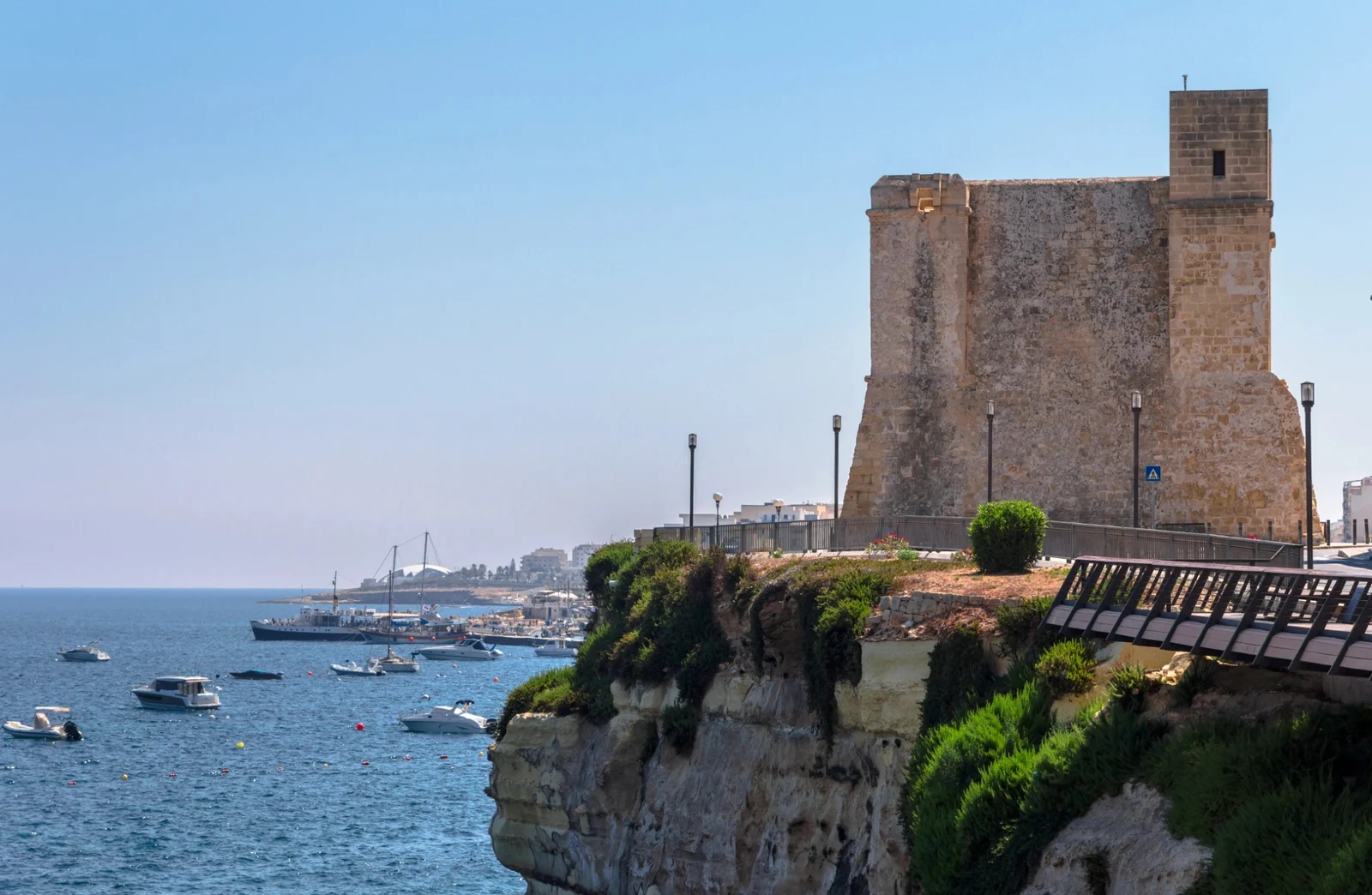
Strong local shipwreck traditionSt Paul's Bay remembers the shipwreck, while San Pawl Milqi recalls the welcome associated with Publius. Maltese Christian culture has developed these memories across centuries. A visitor can follow that devotional geography without treating every traditional location as a separately verified stage of the journey.
What this does not establish
No anchor, beach name or villa label is presented here as definitive proof of Paul's presence at that exact point. The snake episode is not permission to handle dangerous animals or reject medical help. Survival in this narrative is not a promise that faithful travelers cannot suffer shipwreck or loss.
Questions to explore
- At St Paul's Bay, read the island's welcome after the storm narrative; the local response is a central event, not merely an appendix to the wreck.
- If San Pawl Milqi is available to visit, distinguish its documented Roman villa features from the devotional identification with Publius's household.
Plan with the place in mind
- Check Heritage Malta for actual access arrangements at San Pawl Milqi. An announcement of a past special opening does not establish regular public hours.
- Keep coastal visits on authorized paths and use licensed operators for any boat outing; a biblical reading is not a reason to ignore sea conditions.
- Plan the bay and inland villa as separate locations, allowing time for transport and a thoughtful reading of the hospitality scenes.
Opening hours and prices are not live. Before traveling, confirm access, services and local conditions with the site operator and relevant authorities.
No precise location
No exact wreck or landing coordinate is asserted. The bay and villa are distinct commemorative destinations.
Take something with you
What is the equivalent of making a fire in your circumstances: a warm drink, dry clothing, a phone call or a safe place to wait? Offer help before demanding someone's story.
Continue in prayer · For ThisSources & further reading
Sources explain the passage, the tradition or the present site; they do not all support the same kind of claim.
- Acts 27:1–28:10 · full biblical text
- Heritage Malta · San Pawl Milqi and the Pauline tradition
- Smithsonian National Postal Museum · Malta shipwreck tradition
Guide prepared: November 12, 2026. AI-assisted synthesis; no independent academic review. Our editorial approach