Read the passage
Genesis 19:1–29
Read the passage within its full chapter, not as an isolated line.
Read the chapter · World English BibleRead the chapter after Abraham’s intercession in Genesis 18. Lot receives visitors, and a violent crowd threatens them with sexual assault. His offer involving his daughters is itself disturbing and should not be presented as an ethical model. The rescue includes hesitation: Lot is led out by the hand, and he pleads for a nearer refuge. The narrative then turns to devastation and Abraham’s distant view of smoke. These details make the story more demanding than a single slogan about a sinful city. The text contains coercion, fear, hospitality, judgment, and mercy; it does not authorize readers to direct contempt toward a modern minority.
What we know — and what remains open
Identification of the place
Biblical city identification disputedBab edh-Dhra, east of the southern Dead Sea, is a genuine Early Bronze Age archaeological site with a town and extensive burial evidence. Creighton University’s archaeological project describes its excavations and landscape. This makes it an important site to study, not a demonstrated Sodom. An excavated settlement, a destruction layer, and the identification of a named biblical city are three different claims requiring different evidence.
Connection to the event
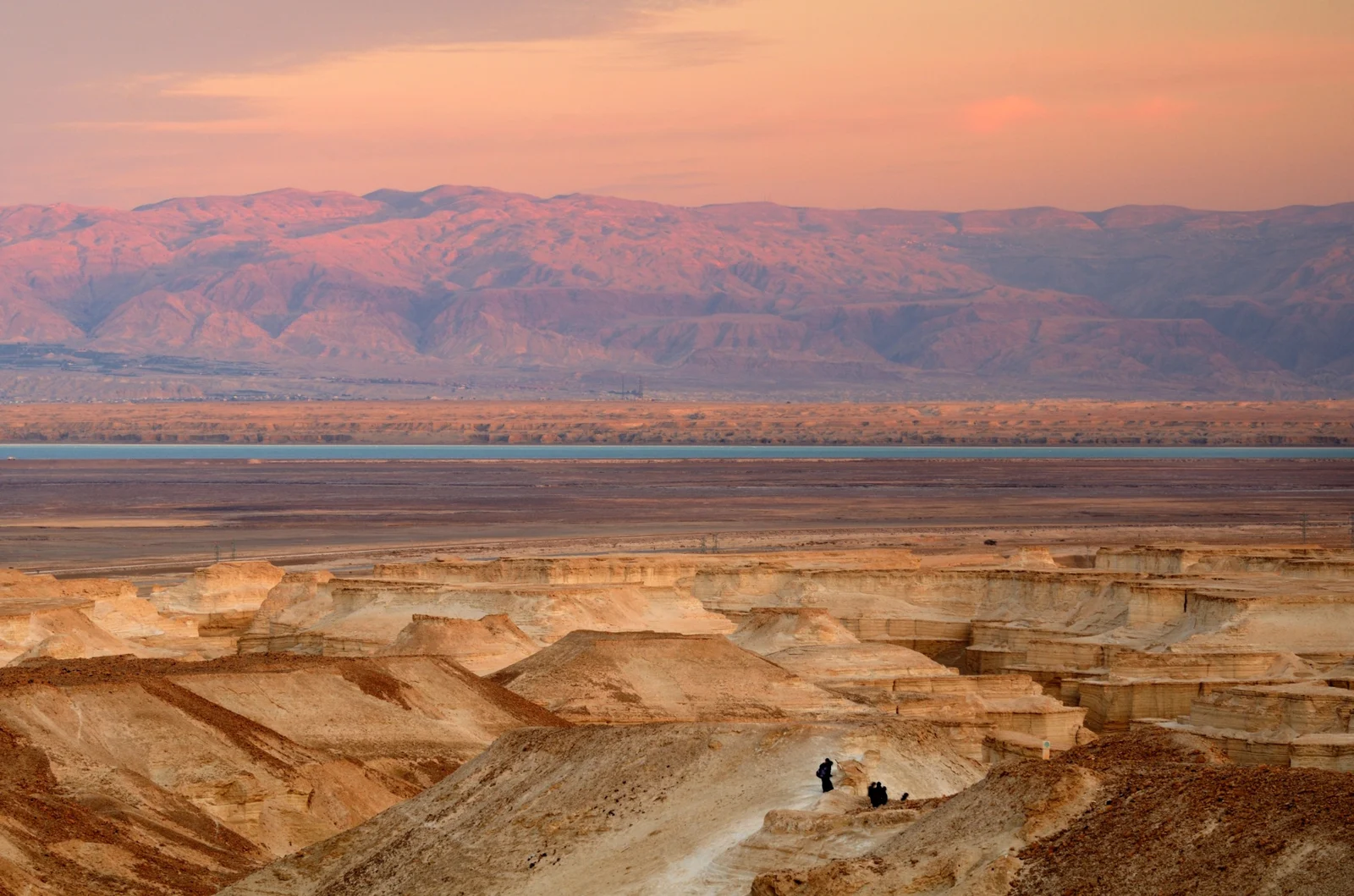
Dead Sea landscape traditionsDead Sea traditions often attach the story to unusual salt formations, barren-looking ground, or particular ruins. Such associations show how landscape supports memory. They do not identify Lot’s wife or establish that one visible formation has survived unchanged from the narrative. Competing proposed locations should not be combined into a tour promising several independently proven versions of the same event.
What this does not establish
No precise Sodom or Gomorrah coordinate is endorsed here. Dating a burned layer does not by itself connect it with Genesis, and a proposed natural disaster mechanism does not identify its victims with the biblical characters. The story also gives no warrant to interpret someone’s present illness or loss as evidence of divine punishment.
Questions to explore
- Study a site plan or excavation presentation for Bab edh-Dhra before considering a visit. Look for the distinction between town remains and cemetery evidence.
- At a Dead Sea viewpoint, notice how your emotional response to the scenery differs from the kind of evidence needed to identify an ancient city.
Plan with the place in mind
- If arranging an archaeological excursion in Jordan, ask whether the proposed site is actually accessible with permission and a knowledgeable guide; remote ruins are not automatically maintained visitor attractions.
- Do not enter unstable ground, collect salt formations, or take pottery as a souvenir. A reading stop at a managed viewpoint is a valid alternative to an unprepared search for a vanished city.
Opening hours and prices are not live. Before traveling, confirm access, services and local conditions with the site operator and relevant authorities.
No precise location
No exact city marker: Bab edh-Dhra is an archaeological candidate discussed in relation to the story, not a verified Sodom location.
Take something with you
Which person in a frightening situation needs practical protection rather than a judgment about how they got there? Let the rescue and hesitation in this chapter direct attention toward care, not curiosity about another person’s suffering.
Continue in prayer · For ThisSources & further reading
Sources explain the passage, the tradition or the present site; they do not all support the same kind of claim.
Guide prepared: November 12, 2026. AI-assisted synthesis; no independent academic review. Our editorial approach