Read the passage
1 Kings 6–8; focus 8:1–61
Read the passage within its full chapter, not as an isolated line.
Read the chapter · World English BibleChapters 6 and 7 describe construction and furnishings before chapter 8 brings the ark into the sanctuary and turns toward public prayer. Solomon does not treat the building as a device that controls God. His prayer acknowledges that even the heavens cannot contain God, then asks that petitions directed toward this house be heard. The situations named are not limited to successful festivals: they include wrongdoing, defeat, drought, hardship, exile, and return. The foreigner also appears within the prayer’s horizon. A visitor can therefore read the passage through the question of whose voice a sacred institution is prepared to hear. The movement from detailed craftsmanship to dependence is important. Beauty and careful work have value, but they do not remove the need for repentance or just conduct. Nor does the prayer offer automatic immunity to the community associated with the building. Read beyond the dedication before treating the Temple as a guarantee of political permanence or a talisman of national success.
What we know — and what remains open
Identification of the place
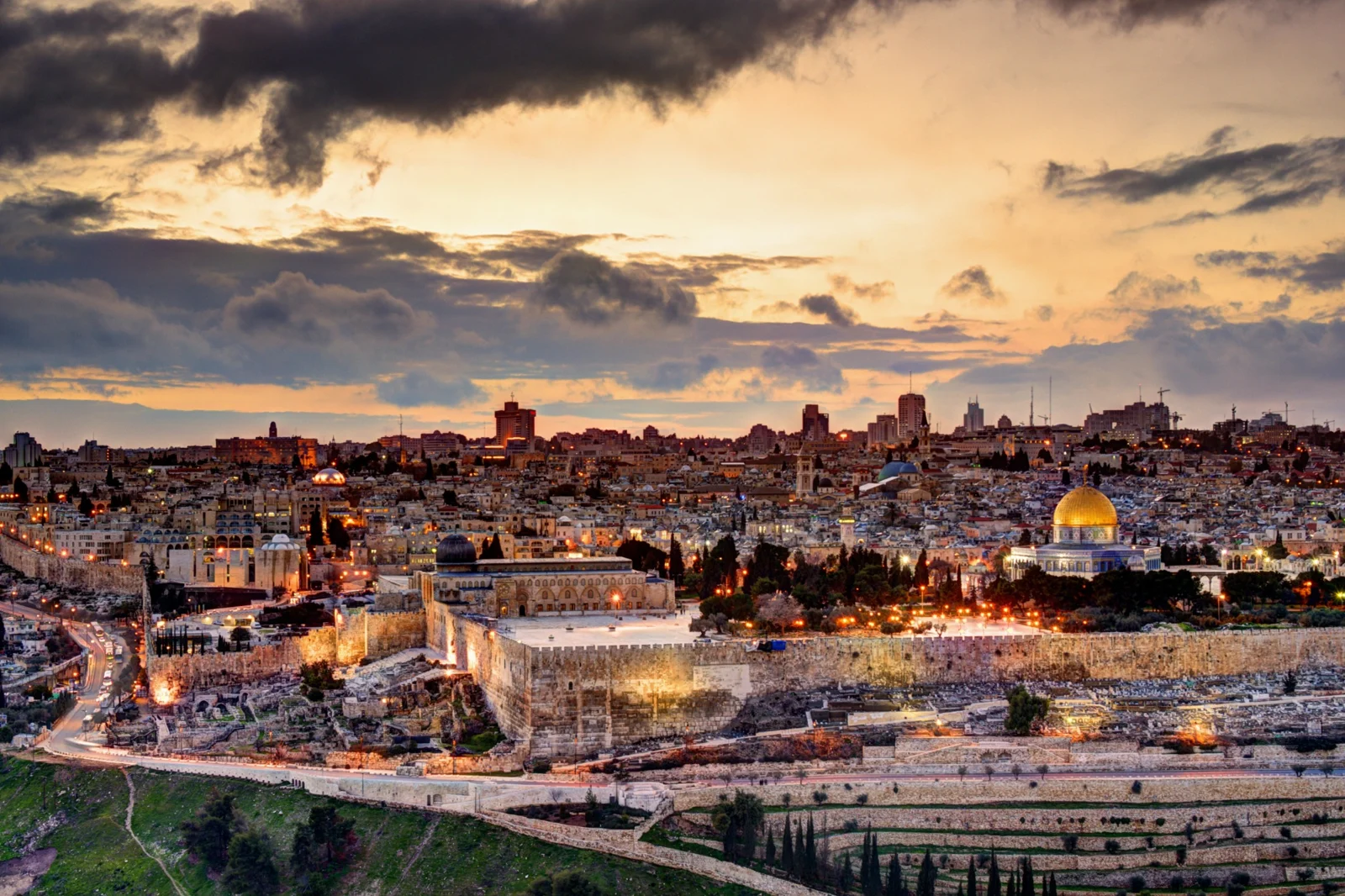
Sacred precinct; building not exposedThe Temple Mount / Haram al-Sharif is the historic sacred precinct associated with Jerusalem’s temples and today contains major Muslim sanctuaries. A visitor looking at the Western Wall is looking at a retaining wall of the later platform, not an exposed wall built by Solomon.
Connection to the event
Interpretation and commemorationJewish memory of the Temple and Christian readings of its biblical significance coexist with the living Muslim holiness of the precinct. These relationships require careful description. The present sanctuaries, the later platform, and the First Temple narrative belong to different historical and religious layers.
What this does not establish
This page does not identify a surviving room or stone as Solomon’s work. Archaeology around the precinct and the biblical description are not interchangeable evidence. Avoid confident reconstructions of the ark’s location, claims about hidden chambers, or statements that visiting a particular point recreates the dedication.
Questions to explore
- At the Western Wall, distinguish the function of a platform retaining wall from the Temple building described in Kings.
- From permitted public viewpoints, observe how the elevated precinct relates to the surrounding city without treating modern buildings as biblical replicas.
Plan with the place in mind
- Plan the Western Wall and any permitted precinct visit separately. Entrances, worship arrangements, and visitor rules differ and can change.
- Consult the relevant site authorities immediately before visiting; follow dress and photography requirements and leave room for people who are praying. Do not assume access to religious interiors.
Opening hours and prices are not live. Before traveling, confirm access, services and local conditions with the site operator and relevant authorities.
No precise location
The precinct supplies historical context; no precise First Temple interior is pinned.
Take something with you
What beautiful space, habit, or institution helps you pray? Consider how it could become more attentive to a stranger’s distress rather than merely more impressive to its regular visitors.
Continue in prayer · For ThisSources & further reading
Sources explain the passage, the tradition or the present site; they do not all support the same kind of claim.
- 1 Kings 6–8; focus 8:1–61 · full biblical text
- Western Wall Heritage Foundation · Visitor information
- University of Notre Dame · Temple Mount collection record
Guide prepared: November 12, 2026. AI-assisted synthesis; no independent academic review. Our editorial approach