Read the passage
Mark 12:38–44
Read the passage within its full chapter, not as an isolated line.
Read the chapter · World English BibleJesus sits opposite the treasury and observes people contributing money. Many wealthy people give large sums; a poor widow gives two small coins. He calls the disciples and compares gifts by their relationship to the giver’s resources rather than by their visible size. The widow has given her whole livelihood. That observation has often inspired readings about costly generosity, but the immediate context adds a serious tension. Just before the scene, Jesus warns about religious figures who seek honor while consuming widows’ houses. Just afterward, the narrative turns toward the Temple’s coming destruction. These connections invite questions about both the widow’s devotion and the structures that leave her with nothing. Responsible readers need not pretend that every interpreter resolves that tension in the same way. What does it mean to admire a gift without asking whether the giver is being protected? A guide should never use the story to pressure a person into giving money needed for food, housing, or medicine. The unnamed woman is not a fundraising technique. Jesus sees a person and a cost that the public amount alone would conceal.
What we know — and what remains open
Identification of the place
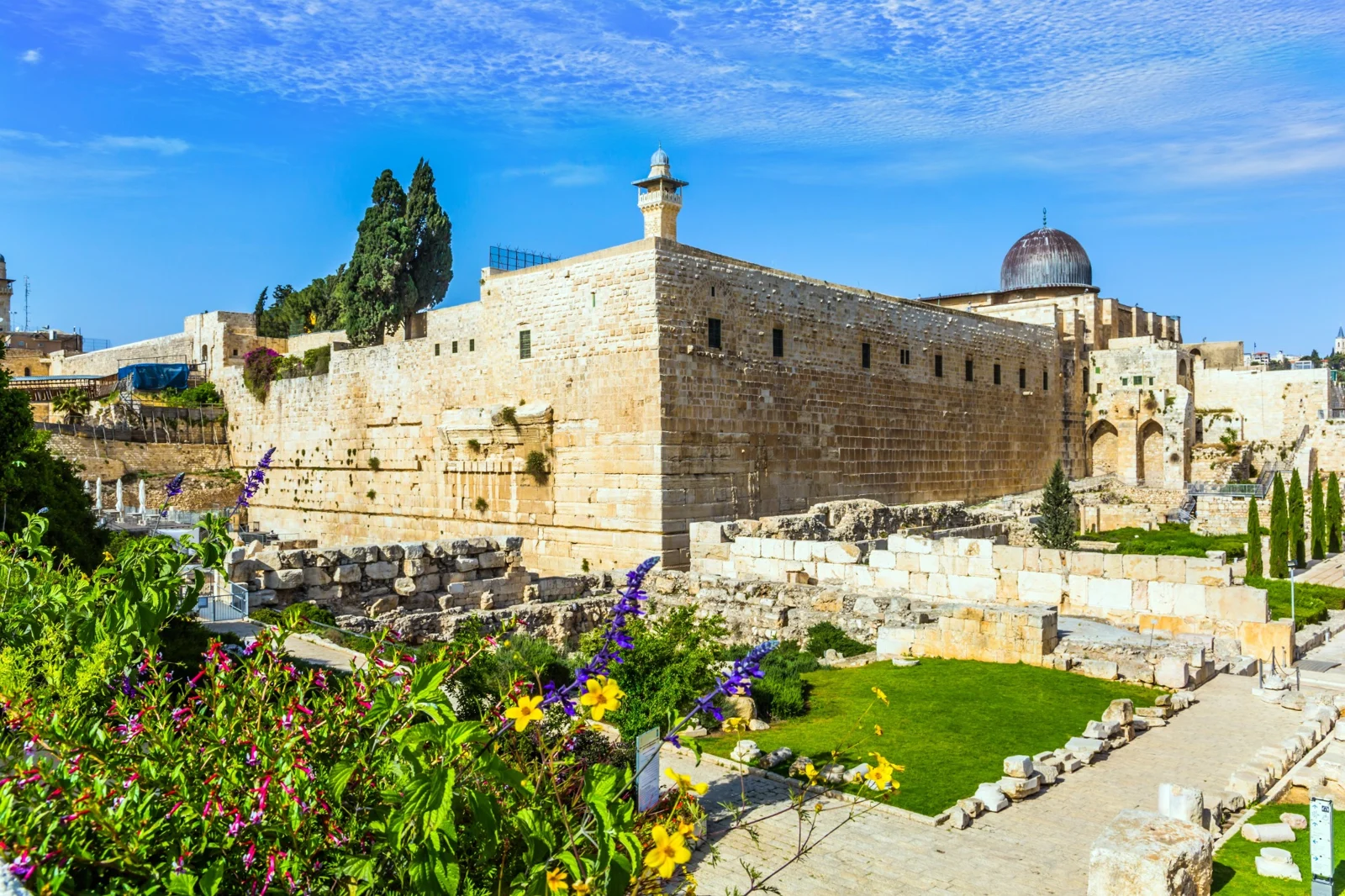
What can be locatedThe narrative locates the observation at the Temple treasury but does not preserve an identifiable collection box. The Davidson archaeological area can explain the broader Temple approaches. It does not contain a verified spot where this widow deposited her coins.
Connection to the event
How the place is rememberedArtistic depictions often show a distinctive arrangement of offering containers. Such reconstructions can illustrate a possible setting, but this page does not treat them as eyewitness records. The central contrast in Mark concerns the giver’s circumstances, not the decorative design of the treasury.
What this does not establish
No excavated coin can be attributed to this particular woman. Approximate ancient coin values do not justify a precise modern cash equivalent. Most importantly, the passage does not promise financial return or make destitution a requirement for faithful generosity.
Questions to explore
- Read the warning about widows’ houses before the two-coin scene. Ask which details disappear when an inspirational quotation is separated from its surrounding paragraphs.
- If coins are displayed in a museum, read their actual labels. An object from the period helps explain material culture without becoming the widow’s own donation.
Plan with the place in mind
- Treat a Temple-archaeology visit as contextual, confirming the operator’s current routes. Do not add an unverified treasury room to the itinerary or promise entry to a space that no longer survives.
- Discuss donations before a group arrives at sacred sites. Make any contribution voluntary and discreet, without comparing amounts or using the story to single out participants.
- Leave time for conversation about care for vulnerable people today. A meaningful reading can continue outside the archaeological area without obstructing worship or visitor circulation.
Opening hours and prices are not live. Before traveling, confirm access, services and local conditions with the site operator and relevant authorities.
No precise location
The Temple treasury is a textual setting; no exact collection point for this event is identified.
Take something with you
Review one charitable choice by asking two questions: whom does it help, and does it protect the giver’s essential needs? Choose generosity that preserves dignity on both sides rather than rewarding the most visible sacrifice.
Continue in prayer · For ThisSources & further reading
Sources explain the passage, the tradition or the present site; they do not all support the same kind of claim.
Guide prepared: November 12, 2026. AI-assisted synthesis; no independent academic review. Our editorial approach